San Antonio wildlife removal
Wildlife removal in San Antonio, TX
Call for help with raccoons, squirrels, bats, birds, skunks, snakes, opossums, groundhogs, and other nuisance wildlife in San Antonio. Start with the animal, active area, and visible entry points.
- Population
- 1,458,954
- Housing units
- 603,213
- Common issue
- Attic noise
- Season
- February-December
Most calls start with a quick wildlife removal conversation so a provider can match the species, entry point, and urgency.
In San Antonio, wildlife calls often involve dense neighborhoods where animals move between roofs, alleys, trees, and trash areas. Local timing can also shift with warm-weather activity across much of February-December.
Use the wildlife removal contact form if you prefer to be contacted instead of calling first.
| Common call | What to mention | Likely area |
|---|---|---|
| Raccoon | Scratching or thumping at night | attics, chimneys |
| Squirrel | Fast scratching during daylight | attics, rooflines |
| Groundhog | Large burrow openings | yards, gardens |
| Bat | Bats leaving near dusk | attics, gable vents |
Local quote watchlist
San Antonio local wildlife intelligence
San Antonio is the first large nonbrand impression cluster for the site, led by animal removal, wildlife removal, raccoon removal, squirrel removal, and critter-control searches.
Local signals
- Warm weather keeps exterior activity visible for much of the year, especially around rooflines, vents, decks, sheds, trash areas, and fence lines.
- Searchers are mixing broad animal removal terms with species terms, so the city page needs both a head-term explanation and fast links into raccoon, squirrel, skunk, snake, and dead-animal pages.
- City and county boundaries can affect public animal-service routing; San Antonio Animal Care Services says it does not respond outside the city limits or in unincorporated Bexar County.
Quote details to collect
- Ask whether the animal is inside the structure or only active in the yard.
- Mention attic access, roof height, vents, chimney openings, and whether pets have had contact.
- For bites, scratches, sick wildlife, or public-safety concerns, use the appropriate public agency before booking a private removal visit.
Provider check
Private removal help is different from public animal-control response. The provider should confirm service area, lawful method, and whether cleanup or exclusion is included.
Local decision tree
How to describe a San Antonio wildlife problem
If the noise is in the attic or wall
San Antonio attic calls should start with timing, weight of the sound, and the exact roofline or vent area involved. Heavy nighttime movement is a different dispatch conversation than fast daytime chewing or dusk exit activity.
- Say whether the sound is above one room, moving across the attic, or coming from a wall void.
- Check from the ground for soffit gaps, roof returns, vents, chimney caps, fascia damage, staining, or droppings.
- Ask whether the provider inspects for young animals before exclusion or sealing.
If the animal is outside, under a deck, or in a shed
Yard calls need a different quote path. The provider needs to know whether the animal is only passing through, denning under a structure, damaging vents or siding, or creating pet-contact risk.
- Mention pets, children, livestock, pools, trash areas, fences, sheds, crawl-space doors, and locked gates.
- For snakes, keep distance and say whether the animal is visible now or was only seen earlier.
- For skunk or opossum activity, describe odor, digging, burrow openings, and whether the same area is active repeatedly.
If the odor or activity points to a chimney or fireplace
Chimney-animal and fireplace-odor searches are the largest current San Antonio query cluster. The provider needs source-location and access clues before confirming removal, cleanup, deodorizing, or prevention scope.
- Say whether odor or noise is strongest at the fireplace, damper, chimney chase, wall, attic, roofline, or an exterior vent.
- Mention scratching that stopped, flies, staining, HVAC odor movement, roof height, fireplace access, and whether the flue is currently usable.
- Ask whether the quote includes source removal, disposal, sanitation, deodorizing, chimney-cap or vent-guard work, and sealing the entry route.
When to route to public animal services first
Private wildlife removal is not the right first step for every animal situation. Bites, scratches, sick wildlife, injured animals, dangerous public-area incidents, and city reporting requirements can need public-agency or health-department handling before ordinary quote shopping.
- The City of San Antonio Animal Control page says animal-related incidents should be reported to 311 first.
- San Antonio ACS notes it does not respond outside city limits or in unincorporated Bexar County.
- CDC rabies guidance says bat contact, bites, scratches, or possible saliva exposure should be discussed urgently with medical/public-health professionals.
What makes a provider quote complete
The best San Antonio quote should not stop at animal removal. Ask what happens after the animal is out, what access is needed, and how repeat entry is prevented.
- Confirm inspection, removal method, follow-up visits, and whether legal restrictions affect the species.
- Ask whether exclusion includes vent guards, chimney caps, screening, one-way doors, sealing, or repair referrals.
- Ask whether droppings, guano, nesting material, odor, or damaged insulation cleanup is included or separate.
Quote checklist
Details to have ready
- Exact active area: attic, wall, ceiling, roofline, vent, chimney, yard, deck, shed, crawl space, garage, or living space.
- Timing: daytime scratching, nighttime thumping, dusk exit activity, constant odor, or direct sighting.
- Signs: droppings, guano, nesting material, stains, damaged vent, torn soffit, burrow, tracks, odor, or flies.
- Access constraints: attic hatch, roof height, fence/gate, pets, tenant access, HOA restrictions, or locked areas.
- Risk flags: bites, scratches, bat contact, sick/injured animal, aggressive behavior, venomous snake concern, or public-area issue.
- Scope questions: inspection, removal, cleanup, exclusion, warranty/follow-up, and what is priced separately.
Rule check
Official wildlife resources
Rules vary by species and location. Use official resources for public-agency routing and ask the provider to confirm the lawful method.
- Texas Parks and Wildlife - WildlifeState wildlife reference with species, wildlife damage, rehabilitation, and conservation resources.
- City of San Antonio - Animal ControlCity animal-control scope, 311 reporting, and city-vs-county routing notes.
- CDC - Preventing Rabies from BatsPublic-health guidance for bat contact, possible rabies exposure, and safe capture/testing routing.
High-intent local details
San Antonio callers should separate active wildlife from odor or chimney issues
San Antonio wildlife requests are easier to route when the call starts with where the animal is active, whether it is inside the structure, and whether the issue is odor, chimney, attic, yard, or public-agency related.
Say whether the issue is in an attic, wall, chimney, fireplace, vent, crawl space, garage, shed, deck, roofline, or only in the yard.
For chimney or fireplace odor, mention when noises stopped, where odor is strongest, whether flies or stains are present, and whether the damper or flue can be accessed.
For bites, scratches, sick wildlife, or city animal-control situations, use the proper public-agency or health route before ordinary quote shopping.
Species pages
San Antonio wildlife removal by animal
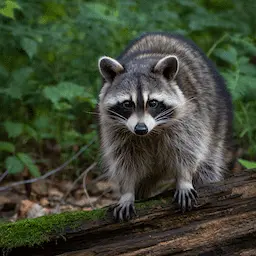
Raccoon
Help for raccoons in attics, chimneys, crawl spaces, sheds, and trash areas, with inspection, removal, and entry-point guidance.
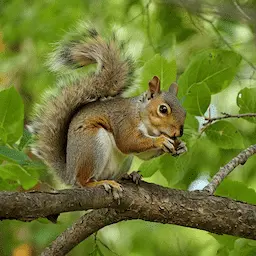
Squirrel
Squirrel removal help for attic noise, chewed fascia, roof returns, vents, wall voids, and recurring daytime activity.
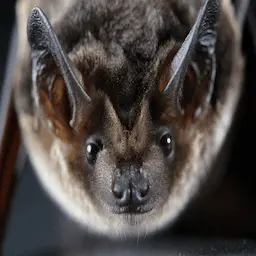
Bat
Bat exclusion help for colonies in attics, vents, shutters, gable gaps, and wall spaces, with timing and cleanup questions handled by local providers.
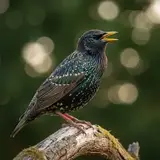
Bird
Bird removal and exclusion help for nests in dryer vents, bathroom vents, gutters, signs, warehouse ledges, porch areas, solar panels, nuisance nesting spots, and access-sensitive buildings.
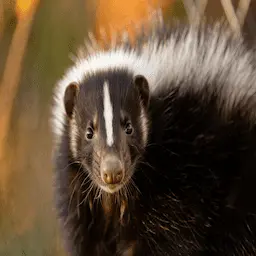
Skunk
Skunk trapping and exclusion help for sheds, decks, crawl spaces, garages, and burrowed areas where odor or pet encounters are a concern.
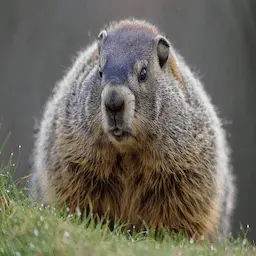
Groundhog
Groundhog and woodchuck removal help for burrows near foundations, gardens, sheds, patios, and retaining walls.
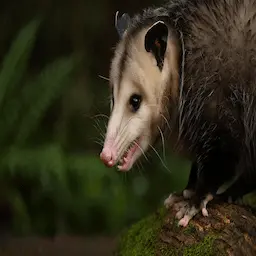
Opossum
Opossum removal help for garages, crawl spaces, porches, sheds, pet-food areas, and suspected denning around homes.
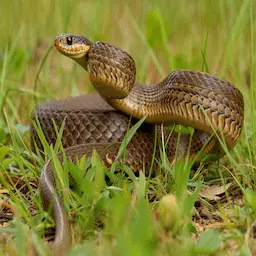
Snake
Snake removal help for garages, basements, yards, sheds, pools, and exterior gaps, including urgent situations where species identification matters.
Cleanup and exclusion
Specialty wildlife help in San Antonio
Some calls are not just animal identification. Odor, guano, blocked vents, attic contamination, and repeat entry often need cleanup or exclusion questions before booking.
Dead Animal Removal
Dead animal removal help for odor in attics, walls, crawl spaces, vents, sheds, and exterior gaps, with cleanup and prevention questions.
Wildlife Exclusion
Wildlife exclusion help for sealing roofline gaps, vents, chimneys, crawl spaces, decks, sheds, and recurring animal entry points.
Attic Cleanup After Wildlife
Cleanup help after wildlife in an attic, including droppings, nesting material, odor, damaged insulation, and sanitation questions.
Bat Guano Cleanup
Bat guano cleanup help for attics, vents, wall gaps, odor, sanitation, insulation review, and post-exclusion sealing questions.
Birds in Vents
Bird-in-vent help for dryer vents, bathroom vents, kitchen exhaust, gable vents, chimneys, nesting material, airflow, guards, and property-access details.
Local request details
Before you book in San Antonio
Wildlife Pros Now connects callers with wildlife removal providers. The local provider confirms final availability, service method, pricing, legal restrictions, cleanup needs, and exclusion options before you book.
Confirm the species
Share what you saw, what you heard, the time of day, and whether there are droppings, odor, nesting material, or visible damage.
Identify access
Mention attic access, roof height, crawl-space doors, deck openings, chimneys, vents, sheds, or locked gates.
Ask about prevention
Removal alone may not stop the problem. Ask whether exclusion, one-way doors, sealing, sanitation, or repair referrals are part of the plan.
Nearby wildlife removal pages
Need wildlife help in San Antonio?
Call now and describe the animal, where it is active, and what you are hearing or seeing. A local provider can confirm availability and next steps.