Raccoon Removal in Cary
Raccoon Removal in Cary, NC
Help for raccoons in attics, chimneys, crawl spaces, sheds, and trash areas, with inspection, removal, and entry-point guidance. Call with the address, active area, signs, and whether the animal is inside the structure.
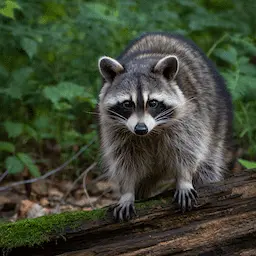
- Common areas
- attics, chimneys
- City signal
- March-October
- Quote
- Phone
- Next step
- Removal plan
For raccoon problems in Cary, start by describing the location, how often it happens, and whether you have seen damage, droppings, odor, or a clear entry point.
Local conditions matter. Cary has single-family homes, sheds, decks, and yard structures where nuisance wildlife often den, and seasonal activity often follows March-October activity around nesting, denning, and food sources.
Common signs
- Scratching or thumping at night
- Torn soffits, vents, or roofline gaps
- Droppings near attic access or insulation
Tell the provider
Species clues, active area, access details, pets in the home, urgency, and whether young animals may be present.
Cary (Wake County) raccoon quote prep
A Cary raccoon can’t be relocated off-site — North Carolina requires on-site release or euthanasia
Cary is a suburban Wake County town in North Carolina’s Triangle, where raccoons den in attics, chimneys, and under decks after moving along the creek and greenway corridors. Two things shape the job: North Carolina does not allow a trapped raccoon to be hauled off and released elsewhere, and a spring den may hold kits — so the provider needs the location, timing, and any droppings before quoting removal, sealing, and cleanup.
Say where the raccoon is — in the attic, a chimney, a soffit, under a deck or shed, or only in the yard — and whether you hear heavy nighttime movement overhead, since Cary’s wooded, creek-lined suburbs give raccoons easy roofline and chimney access.
Note the timing: raccoons in the Triangle typically breed in late winter with kits in spring, so a spring-into-early-summer den may hold dependent young, which changes the method and means exclusion should wait until the kits are mobile — mention if you hear multiple animals or chittering.
Under North Carolina Wildlife Resources Commission rules, a trapped nuisance raccoon must be released on the same property or humanely euthanized and cannot legally be relocated off-site, so the practical route is a licensed operator doing removal plus one-way exclusion and sealing rather than DIY catch-and-release.
Raccoons are treated as a rabies-vector species, so keep pets and children back; a raccoon latrine in an attic can carry roundworm (Baylisascaris) and needs proper cleanup, not just removal. Ask whether the quote covers sealing and sanitation, and use the NCWRC “Find a Licensed Wildlife Control Agent” directory or Wildlife Helpline to find a licensed provider.
Local diagnostic checklist
What changes raccoon removal quotes in Cary
Entry areas to check
- Chimneys without caps
- Roofline gaps and damaged soffits
- Crawl-space doors, sheds, and trash areas
Plan questions
- Confirm whether young animals may be present
- Remove or exclude the raccoon before sealing
- Inspect the entry point and quote cleanup separately if needed
Pricing factors
- Attic or chimney access
- Whether young animals are involved
- Droppings, odor, insulation, and entry-point repairs
Removal and exclusion
Questions for raccoon quotes in Cary
Method
Ask what approach is legal and practical for raccoon activity in your area.
Access
Confirm whether roof, attic, crawl-space, deck, shed, or yard access changes the visit.
Prevention
Ask whether sealing, guards, cleanup, or follow-up inspection is included or separate.
More local help
Other wildlife removal pages in Cary
Squirrel Removal
Squirrel removal help for attic noise, chewed fascia, roof returns, vents, wall voids, and recurring daytime activity.
Bat Removal
Bat exclusion help for colonies in attics, vents, shutters, gable gaps, and wall spaces, with timing and cleanup questions handled by local providers.
Bird Removal
Bird removal and exclusion help for nests in dryer vents, bathroom vents, gutters, signs, warehouse ledges, porch areas, solar panels, nuisance nesting spots, and access-sensitive buildings.
Skunk Removal
Skunk trapping and exclusion help for sheds, decks, crawl spaces, garages, and burrowed areas where odor or pet encounters are a concern.
Get raccoon removal help in Cary
Call now and describe the animal, where it is active, and what you are hearing or seeing. A local provider can confirm availability and next steps.