Snake Removal in Atlanta
Snake Removal in Atlanta, GA
Snake removal help for garages, basements, yards, sheds, pools, and exterior gaps, including urgent situations where species identification matters. Call with the address, active area, signs, and whether the animal is inside the structure.
- Common areas
- garages, basements
- City signal
- March-November
- Quote
- Phone
- Next step
- Removal plan
For snake problems in Atlanta, start by describing the location, how often it happens, and whether you have seen damage, droppings, odor, or a clear entry point.
Local conditions matter. Atlanta has homes, yards, sheds, and roofline gaps that can create recurring wildlife activity, and seasonal activity often follows warm-weather activity across much of March-November.
Common signs
- Snake seen inside or near entry doors
- Shed skin in garage or basement
- Rodent activity attracting snakes
Tell the provider
Species clues, active area, access details, pets in the home, urgency, and whether young animals may be present.
Atlanta (metro Georgia) snake removal quote prep
Most snakes found around an Atlanta home are harmless — and under Georgia law it is illegal to kill them
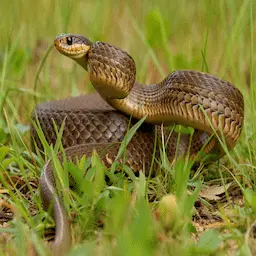
Of the roughly 40 snake species in Georgia, only six are venomous, and in metro Atlanta the one residents are most likely to meet is the copperhead — the cottonmouth, eastern diamondback, timber (canebrake) rattlesnake, pigmy rattlesnake, and eastern coral snake are mostly rural or south-Georgia. Every nonvenomous snake is legally protected in Georgia, so killing one is a misdemeanor, which is why a snake-removal call starts with a safe identification: the provider needs an exact location and a careful description, not a rushed species guess.
Right-size the risk: the copperhead is the venomous snake metro-Atlanta residents are most likely to encounter, while most snakes you see — rat snakes, kingsnakes, garter and brown snakes — are harmless, beneficial rodent-eaters, and Georgia law protects every nonvenomous species (killing one is a misdemeanor carrying up to a $1,000 fine), so a correct ID matters before anyone acts.
Describe it, don’t guess: tell the provider exactly where the snake was seen (yard, garage, crawl space, under a porch, or indoors), whether it is visible now, and its size, color, and head and pattern, since that description — not a species guess — drives a safe removal and an accurate quote.
Handle a venomous snake safely: if it may be a copperhead or other venomous snake, keep people and pets back and do not try to kill or catch it — the Georgia DNR advises leaving venomous snakes alone and calling a professional, and a bite is a medical emergency (Georgia Poison Center 1-800-222-1222).
Ask what the quote covers: one visible snake is a removal visit, but repeat sightings point to harborage and entry points, so ask whether the quote itemizes removal, an inspection for what is drawing snakes in (rodents, cover, gaps), and any exclusion, and route protected-species or identification questions to the Georgia DNR Wildlife Resources Division.
Local diagnostic checklist
What changes snake removal quotes in Atlanta
Entry areas to check
- Garage-door gaps
- Utility penetrations and foundation gaps
- Sheds, basements, crawl spaces, and debris piles
Plan questions
- Keep distance if the snake is visible
- Confirm whether the sighting is current or old
- Address rodent pressure and entry gaps after removal
Pricing factors
- Current visibility and urgency
- Interior vs exterior location
- Entry-point sealing and rodent activity
Removal and exclusion
Questions for snake quotes in Atlanta
Method
Ask what approach is legal and practical for snake activity in your area.
Access
Confirm whether roof, attic, crawl-space, deck, shed, or yard access changes the visit.
Prevention
Ask whether sealing, guards, cleanup, or follow-up inspection is included or separate.
More local help
Other wildlife removal pages in Atlanta
Raccoon Removal
Help for raccoons in attics, chimneys, crawl spaces, sheds, and trash areas, with inspection, removal, and entry-point guidance.
Squirrel Removal
Squirrel removal help for attic noise, chewed fascia, roof returns, vents, wall voids, and recurring daytime activity.
Bat Removal
Bat exclusion help for colonies in attics, vents, shutters, gable gaps, and wall spaces, with timing and cleanup questions handled by local providers.
Bird Removal
Bird removal and exclusion help for nests in dryer vents, bathroom vents, gutters, signs, warehouse ledges, porch areas, solar panels, nuisance nesting spots, and access-sensitive buildings.
Get snake removal help in Atlanta
Call now and describe the animal, where it is active, and what you are hearing or seeing. A local provider can confirm availability and next steps.